

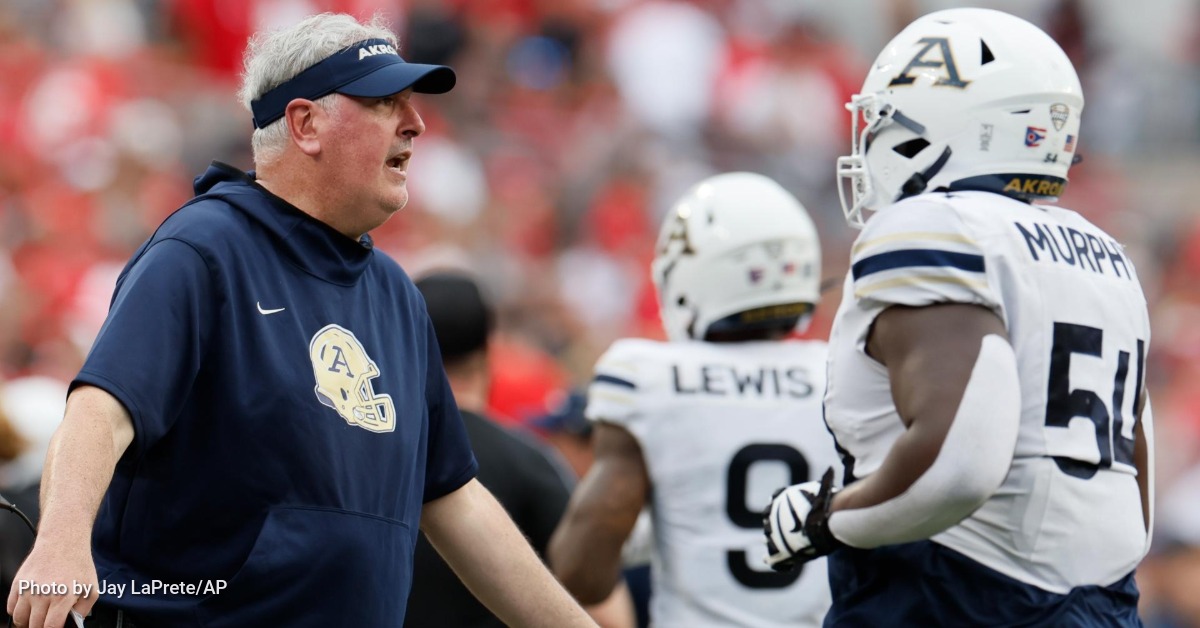
The University of Akron found itself in an unusual and troubling position this season, becoming the only FBS program ruled ineligible for a bowl game due to poor Academic Progress Rate (APR). In an era where nearly every program meets the NCAA’s academic benchmarks, Akron’s postseason ban stands out as a rare case.
Even more notable, Akron is the first school in more than a decade to be barred from bowl eligibility strictly because of APR penalties. While teams are typically kept out of the postseason due to on field performance, this situation had nothing to do with wins or losses.
What Is APR and Why Does It Matter
The NCAA’s Academic Progress Rate is designed to track whether student athletes are staying academically eligible and progressing toward graduation. Programs earn points each term based on eligibility and retention, and falling below the minimum threshold can trigger penalties ranging from practice restrictions to postseason bans.
Over the years, schools have significantly improved their academic support systems, making APR related bowl bans increasingly rare. That context is what makes Akron’s situation so striking.
A Rare Penalty in Modern College Football
Most FBS programs now exceed the APR minimum comfortably, even those that struggle competitively. Akron’s penalty highlights how seriously the NCAA continues to treat academic accountability, even as college athletics evolves through NIL, transfers, and conference realignment.
Being the only school affected this season places a spotlight on the program and raises questions about internal academic support structures, athlete retention, and compliance oversight.
What This Means for Recruits and Families
For prospective student athletes, Akron’s bowl ineligibility is a reminder that choosing a college goes far beyond football. Academic resources, tutoring, advising, and institutional commitment all play a role in an athlete’s long term success.
Postseason bans can impact exposure, player development, and overall program momentum. Recruits and families should evaluate how schools support athletes academically, not just athletically.
The Bigger Picture
Akron’s case serves as a rare but important reminder that academics still carry real consequences in college sports. While on field success often dominates headlines, maintaining eligibility off the field remains just as critical.
As college athletics continues to change, this situation reinforces one constant truth: programs must balance performance, compliance, and academics or risk paying the price.


