

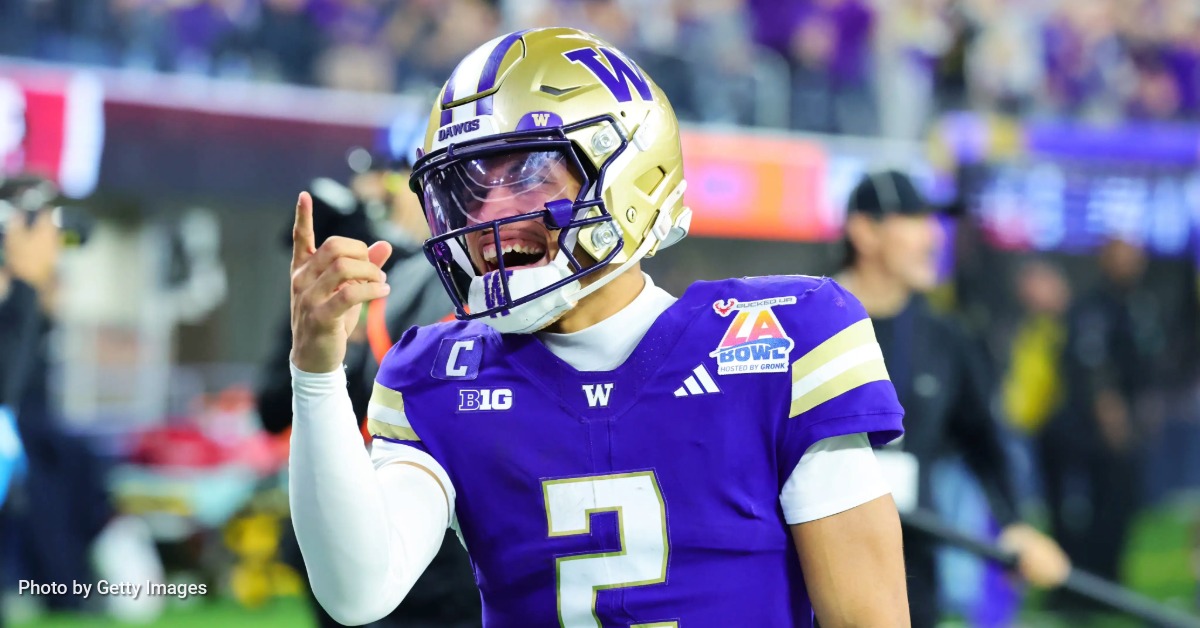
Four days after signing a $4 million contract to return to Washington, quarterback Demond Williams Jr. announced he will enter the NCAA transfer portal. The move has sent shockwaves through college football, raising major questions about the enforceability of contracts and the stability of the current system.
Williams’ Background and Performance:
Williams, a household name in the Big Ten, threw for 3,065 yards and 25 touchdowns this past season, adding 611 rushing yards and six touchdowns on the ground. Originally committed to Lane Kiffin and Ole Miss in 2023, he later flipped to Jedd Fisch and Arizona, eventually following Fisch to Washington when Fisch became the head coach in 2024.
The Contract and Legal Implications:
Washington’s $4M deal with Williams included a buyout clause at the school’s sole discretion and stated that the university is not obligated to facilitate a transfer. Despite this, Williams entered the transfer portal, prompting Washington to pursue legal action to enforce the contract. This situation has become a key test of whether signed agreements in college sports can be respected and upheld.
Official Reactions:
College sports officials are closely watching the case. One high-ranking college official told ESPN, “Are we going to respect each other's contracts? This is a very simple thing. If we can't protect this, nothing else matters.” The Big Ten has also been engaged and emphasized the importance of respecting agreed-to obligations.
Potential Destinations:
While LSU is the presumptive favorite for Williams’ services, other schools are expected to be involved. His move could become one of the most high-profile transfer cases in recent college football history, surpassing previous examples like Nico Iamaleava’s transfer from Tennessee to UCLA.
Broader Implications for College Sports:
Williams’ case highlights the larger issues surrounding contracts in college athletics. From player deals to coaching agreements and school obligations, many contracts are being ignored or challenged. The NCAA and College Sports Commission have limited authority in enforcing these agreements, leaving much of the system exposed. Legal experts and officials say this could be a pivotal moment for reform and oversight in college sports.


