

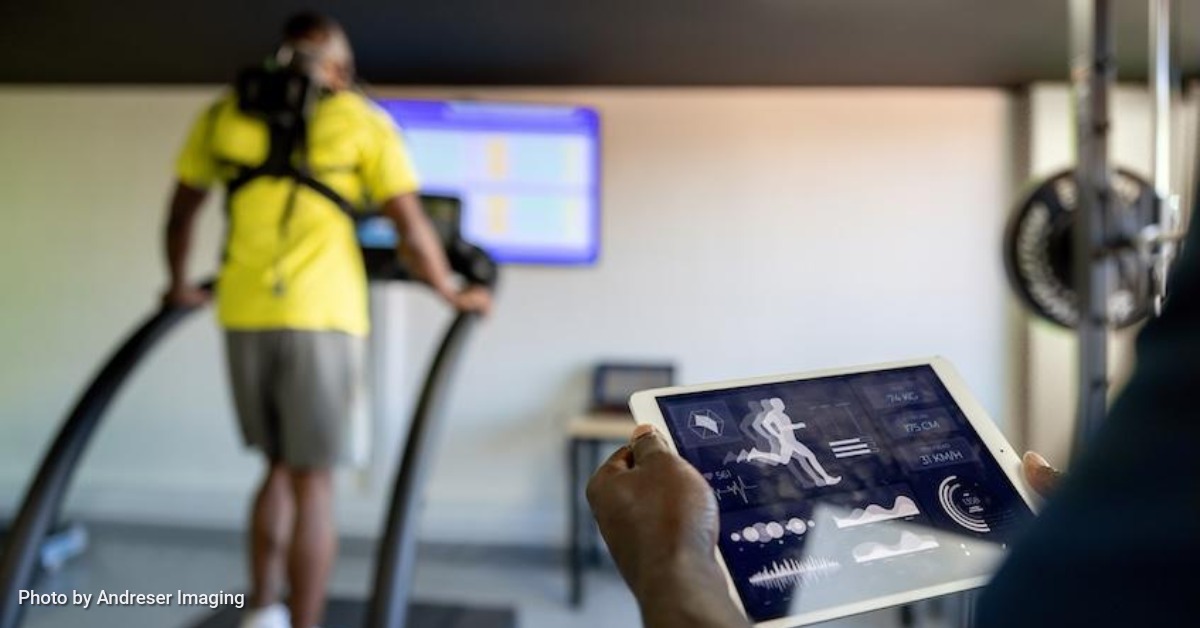
The NCAA Committee on Competitive Safeguards and Medical Aspects of Sports has approved new guidance focused on the responsible use of performance technologies in college athletics. The guidance was approved during a recent virtual committee meeting and is designed to help schools better protect student athletes while using modern data driven tools.
As performance technology continues to expand across college sports, the NCAA is emphasizing education, athlete wellbeing, and responsible implementation rather than unchecked adoption.
What Are Performance Technologies
Performance technologies are tools used to collect biometric or performance related data from athletes. These tools may be worn directly by athletes, attached to equipment, or used indirectly to monitor performance.
Examples include wearable GPS devices, heart rate monitors, sleep trackers, video and camera systems, motion sensors, surveys, software platforms, and mobile apps. These technologies are commonly used to track workload, recovery, health markers, and performance trends.
Why the NCAA Created This Guidance
The guidance was developed following the NCAA Summit on Performance Technologies in Collegiate Athletics, hosted by the NCAA Sport Science Institute in May in Indianapolis. A modified Delphi consensus process was used, bringing together experts to align on best practices and key considerations.
The NCAA recognized that while performance technologies can be valuable, they also present risks if misused or poorly managed. Concerns include data privacy, athlete trust, over monitoring, and potential mental health impacts.
Key Takeaways From the Guidance
The approved guidance includes three types of statements: foundational statements, recommendation statements, and strategy statements for implementation.
Some of the most important foundational considerations include:
Performance technologies are only one tool in supporting athlete health, safety, and performance. Their value depends on how well they meet the needs of athletes and staff.
These technologies may have unintended consequences, including added pressure on athletes and potential mental health effects.
Schools are encouraged to create a written plan outlining how performance technologies will be used responsibly. This plan should address education for athletes and staff, data management and protection, decision making around purchasing new technologies, and ongoing evaluation and improvement.
Education and Implementation Timeline
In addition to approving the guidance, the committee supported a broader education and socialization plan. Educational opportunities for NCAA member schools will begin with a dedicated session at the 2026 NCAA Convention.
The full consensus statements are expected to be released publicly in early 2026.
New Focus on Prevention and Harm Reduction
The committee also reviewed and supported the creation of a Prevention and Harm Reduction Advisory Group. This new group will be responsible for updating the NCAA Substance Misuse Prevention Tool Kit and developing guidance on broader health promotion topics.
Areas of focus will include substance misuse, sports betting education, hazing prevention, and other emerging risks facing student athletes. The advisory group is scheduled to begin its work in spring 2026 and will emphasize education and early intervention rather than punishment.
Expanding Awareness of Paralympic Eligibility
The committee also discussed opportunities to improve awareness of Paralympic eligibility and classification criteria among collegiate athletics health care providers.
This work is part of the ongoing USOPC and NCAA Para College Inclusion Project, launched in 2022. The initiative encourages schools to offer adaptive sports and aims to increase understanding, awareness, and connection to Paralympic pathways within college athletics.
What This Means for College Sports
For athletes, this guidance signals increased attention to data privacy, mental health, and transparency around how performance data is collected and used.
For athletic departments, it brings greater accountability and structure to technology decisions, encouraging thoughtful planning rather than rapid adoption.
Overall, the NCAA is taking steps to ensure that innovation in college athletics supports athlete wellbeing while minimizing unintended harm.


