

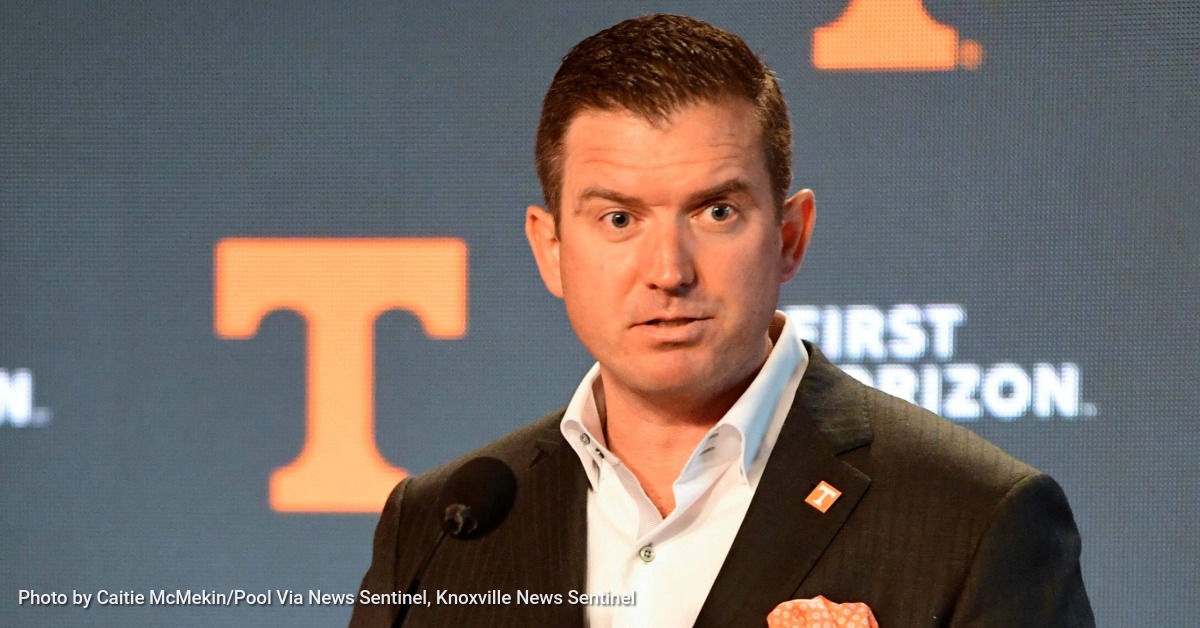
College athletics continues to search for stability as NIL deals, transfer movement, and legal uncertainty reshape the industry. With the transfer portal already heating up before it officially opens, concerns about tampering and unchecked roster movement are once again front and center. Tennessee athletic director Danny White believes the current system is broken and that a more structured solution is necessary.
White recently pointed to collective bargaining as a potential path forward, arguing that college sports can no longer rely on loosely enforced rules or court decisions to govern a multibillion dollar industry. He has emphasized that while the approach would be complicated and far from perfect, it could create a healthier and more sustainable environment for athletes and schools alike.
The push comes at a time when the NCAA has struggled to maintain control over its own regulations. As courts have struck down restrictions related to NIL compensation and player movement, schools have been left with limited tools to enforce rules. Transfer windows, roster limits, and spending expectations exist largely without legal protection, making compliance inconsistent across the country.
Supporters of a negotiated system believe it could finally establish clear standards. Under this model, agreements could define how much programs can spend, how often athletes are allowed to transfer, and whether players could sign multi year agreements with schools. These terms would be enforceable rather than guidelines that can be challenged in court.
One of the biggest hurdles is athlete employment status. Any negotiated agreement would likely require athletes to be classified as employees, a shift the NCAA and many universities have long resisted. Concerns range from increased costs and administrative complexity to philosophical objections about altering the traditional college model.
Despite those concerns, interest in reform continues to grow. Media figures, former players, and athletic administrators have publicly acknowledged that the current environment is unsustainable. Behind the scenes, executives across major conferences have also shown support for exploring structured negotiations as a long term fix.
White has been vocal about reform in the past, even proposing broader national structures that would centralize athlete employment and representation. While those ideas remain distant, the conversation itself reflects a major shift in thinking among college leaders.
As legal challenges mount and public frustration grows, college sports faces a critical choice. Either it continues operating in a system defined by uncertainty, or it embraces a new framework that clearly defines rights, responsibilities, and rules for everyone involved. Whether schools are ready for that step remains to be seen, but the discussion is no longer theoretical.


