

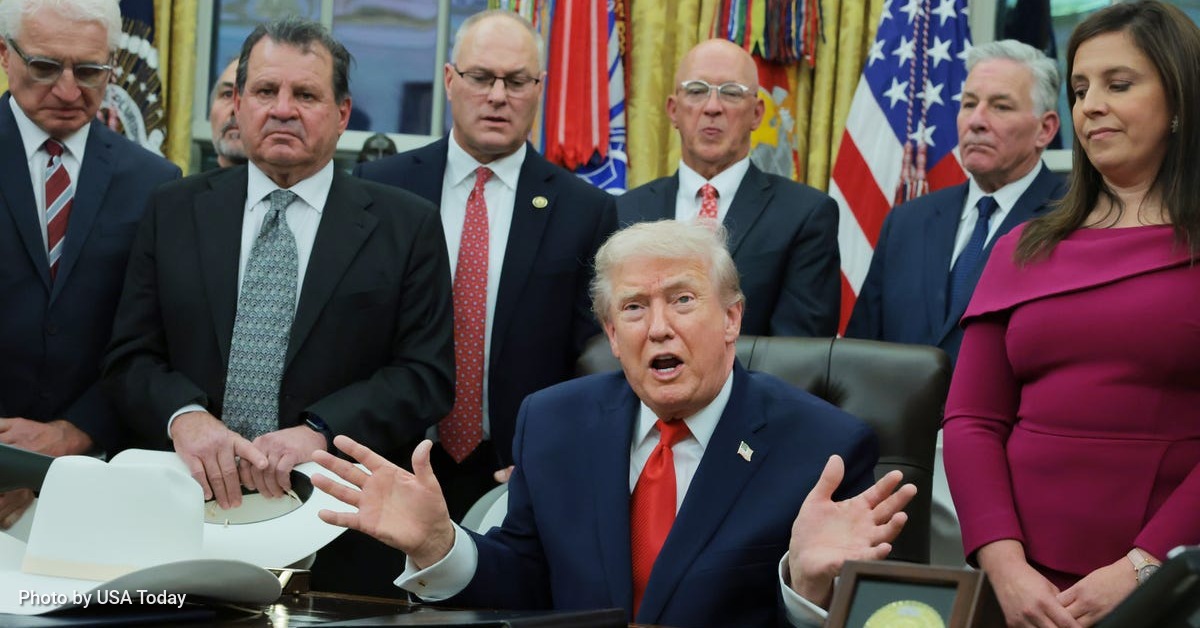
President Donald Trump has reentered the national conversation surrounding Name, Image and Likeness regulations in college athletics, signaling a potential push for federal involvement if changes are not made quickly. Speaking during a White House ceremony honoring the 1980 “Miracle on Ice” U.S. Olympic hockey team, Trump warned that the current NIL system could seriously damage colleges if left unchecked.
“Something ought to be done, and I’m willing to put the federal government behind it,” Trump said when asked about NIL. “And if it’s not done fast, you’re going to wipe out colleges.”
Why NIL Has Become a National Issue
Since the NCAA opened the door for athletes to earn money through NIL opportunities, college sports have undergone massive change. Athletes can now profit from endorsements, appearances, and social media, while the transfer portal has made roster movement faster and more frequent than ever.
While these changes have created new opportunities for athletes, many administrators and lawmakers believe the system lacks structure. Schools, conferences, and collectives currently operate under different rules and state laws, creating confusion, competitive imbalance, and ongoing legal challenges.
Trump’s comments reflect growing concern that the combination of NIL, revenue sharing discussions, and unrestricted transfers is putting financial and operational strain on athletic departments, particularly at smaller schools.
Congress and the Stalled SCORE Act
Trump’s remarks come as federal lawmakers continue to debate potential NIL legislation. Most recently, House Republicans pulled a scheduled final vote on the SCORE Act, short for Student Compensation And Opportunity Through Rights and Endorsements.
The bill aimed to give the NCAA and its newly formed College Sports Commission the authority to establish and enforce national NIL rules. Supporters argued it would bring consistency and stability to college sports, while critics raised concerns about athlete rights and potential legal conflicts.
With the vote delayed, the future of NIL regulation remains uncertain, opening the door for increased executive branch involvement or renewed legislative efforts in 2026.
Trump’s History With College Sports Reform
This is not the first time Trump has publicly addressed NIL. He previously discussed the topic during a phone interview on The Pat McAfee Show, again expressing concern that college athletics is moving too fast without proper safeguards.
While no formal policy proposal has been announced, Trump’s willingness to involve the federal government represents a significant escalation in the NIL debate. If action were taken, it could lead to nationwide standards for athlete compensation, transfer rules, and enforcement mechanisms.
What This Means for Athletes and Programs
For athletes, federal NIL regulation could provide clearer guidelines and more consistency across schools and states. For colleges, it could help control costs and restore balance, especially for programs struggling to keep up financially.
However, any major changes would likely face legal challenges and pushback from athlete advocacy groups, making the path forward complex.
Looking Ahead
As NIL continues to reshape college sports, pressure is mounting for national leadership and long term solutions. Trump’s comments add another powerful voice to the conversation and signal that NIL reform may soon move beyond conferences and courtrooms into the highest levels of government.
Whether Congress acts first or the executive branch steps in, one thing is clear. The future of college athletics is still being written, and NIL remains at the center of it.


